Oncology group builds on immunological challenge models
The Oncology group is investigating how CHDR’s successful immunological challenge models can be adapted to measure pharmacodynamics in healthy study participants.
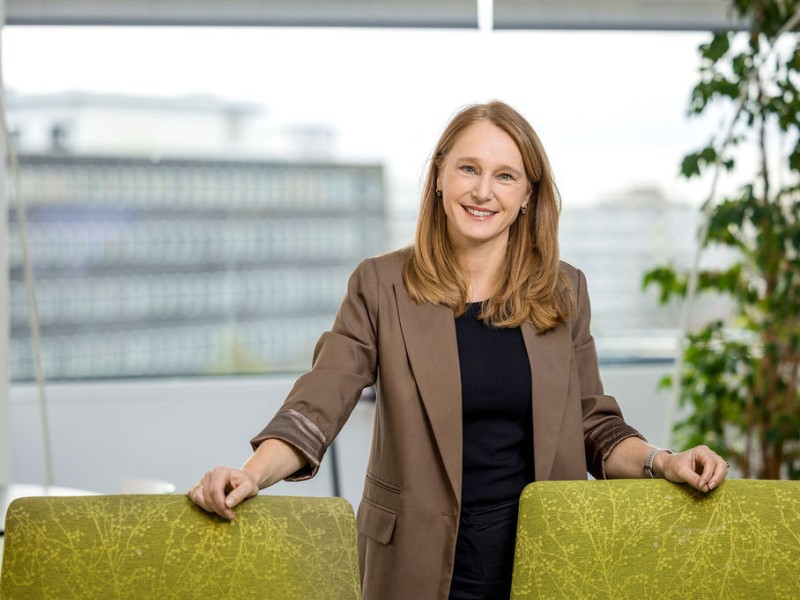
‘There are many similarities between novel therapeutics in oncology and our previous work in immunology,’ says experienced clinical scientist Igor Radanović, who has been leading CHDR's oncology initiative since September. ‘Several drugs for autoimmune diseases, for example, work by activating immune checkpoints, while oncological drugs inhibit those same targets. We have experience in demonstrating pharmacological effects in immunomodulators against autoimmunity, so we may do the same for checkpoint inhibitors. In short, we are convinced that our expertise can contribute to early-phase clinical development of oncological drugs. We aim to study those compounds in healthy study participants, because doing so provides early pharmacological insights, accelerates early-phase drug development, and enables more informed decision making.’
This focus on healthy study participants limits the choice of drugs that can be investigated at CHDR. Radanović: ‘The safety of our study participants is, of course, always paramount. We will therefore always make an assessment based on the preclinical dossier first. However, the safety profile of many innovative drugs in oncology is very favourable. If it is safe to do so, it can be beneficial to conduct the first-in-human studies in healthy participants, to reduce the burden on patients in the dose finding phase.’
Challenge models
The strategy that Radanović has developed together with his colleagues from the Immunology Group is essentially simple: to see how and for which oncological agents CHDR’s immunological challenge models are suitable. ‘We currently have well-validated challenge models with LPS, imiquimod and the KLH neoantigen. We are conducting detailed omics studies to look at the pathways that we activate with these challenge models and compare those results with existing databases such as the Open Targets dataset and the Cancer Hallmarks genes,’ says Radanović.
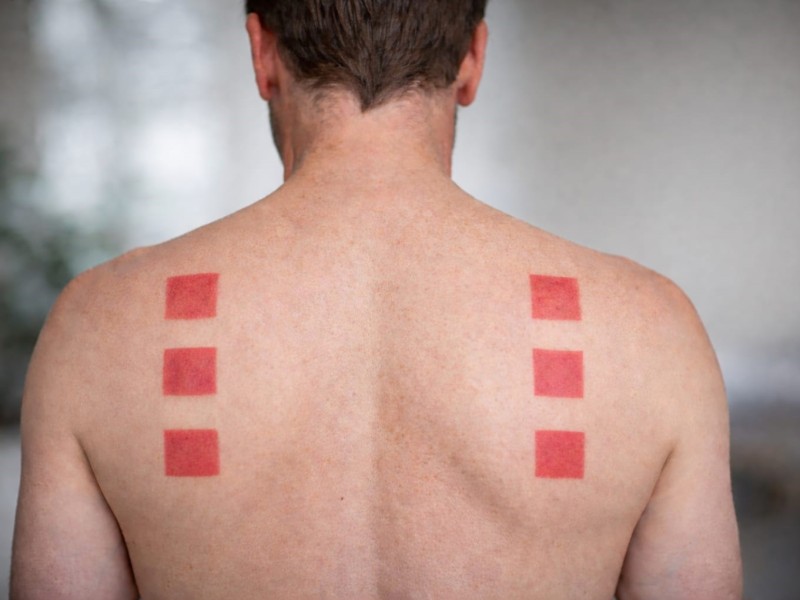
In 2025, for example, the Oncology Group and the Immunology Group conducted an exploratory study using intravenous LPS, analysing the blood and bone marrow of the participants at the RNA level to see which genes were up- and downregulated. Similar analyses were performed for the intradermal LPS challenge, the KLH challenge and the imiquimod challenge. Another tool that is being developed and in-depth characterised is the UVB challenge model. ‘We will soon be able to present potential clients with clear options for how we could demonstrate the pharmacological effect of their oncological compound,’ says Radanović
He is confident that the Oncology group can be successful, but he also wants to build a thorough basis first, grounded in the existing expertise at CHDR. ‘It's a great challenge to explore such a new area. That’s why I am glad that we are part of the Immunology & Internal Medicine Cluster. In the long term, I expect that we can contribute quite significantly, in line with CHDR’s overall strategy and scientific interests. For years, oncology has accounted for the largest share of new compounds in development in global pipeline analyses. If we get the opportunity to demonstrate that our approach adds value in this field, there will be many opportunities to make a meaningful contribution to early-phase cancer drug development.’
Interested in learning more?
More articles from Developing methods